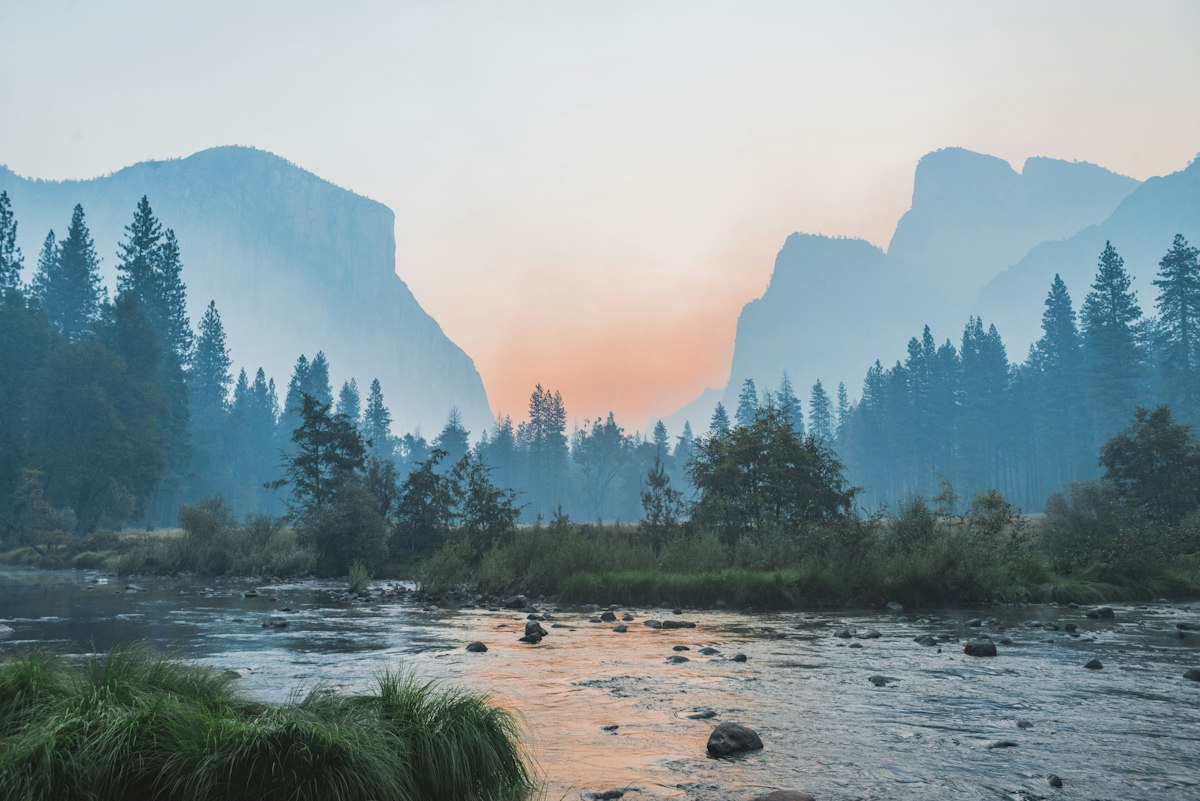
Covering more than 311,200 hectares in the far eastern extremity of Mongolia's Dornod province, the Numrug Strictly Protected Area (Нөмрөгийн дархан цаазат газар) represents one of the most ecologically undisturbed ecosystems in Northeast Asia. Designated in 1992 as an IUCN Category Ia Strict Nature Reserve, human activity is strictly limited to scientific observation, preserving a pristine ecotone where Siberian taiga, Manchurian mixed forests, and Dahurian grasslands converge.
Key Findings from the 2026 Field Season
During the spring and summer 2026 expeditions, field biologists deployed 48 remote motion-sensor camera traps along the winding tributaries of the Numrug and Degee rivers. The preliminary findings confirm the continued presence and breeding vitality of several nationally and globally endangered species:
- Manchurian Wapiti (Cervus canadensis xanthopygus): Herd clusters with healthy calf ratios were documented foraging in undisturbed alluvial meadows.
- Eurasian Otter (Lutra lutra): Fresh tracks and direct camera sightings along the river corridors indicate exceptional water purity and abundant native fish stocks.
- Moose (Alces alces cameloides): The southern limit of the East Siberian moose population remains stable within Numrug's dense willow swamps and riverine thickets.
- Avian Diversity: Over 140 bird species were logged during the nesting census, including critical breeding colonies of the vulnerable White-naped Crane (Antigone vipio) and Red-crowned Crane.
Intact Hydrology: The Numrug River Basin
Unlike many rivers across Eurasia that have experienced damming, agricultural runoff, or industrial disruption, the Numrug river system remains in its natural pristine hydrological state. Pristine gravel beds provide vital spawning habitat for Arctic grayling and the endangered Taimen (Hucho taimen), reinforcing the area's role as a biological benchmark for aquatic health.
"Numrug remains a living ecological baseline," noted Dr. B. Bat-Erdene, lead researcher from the Institute of Biology. "Because motorized transit and grazing have been excluded for over three decades, the natural ecological succession operates without artificial interference, offering invaluable data on climate adaptation and species coexistence."