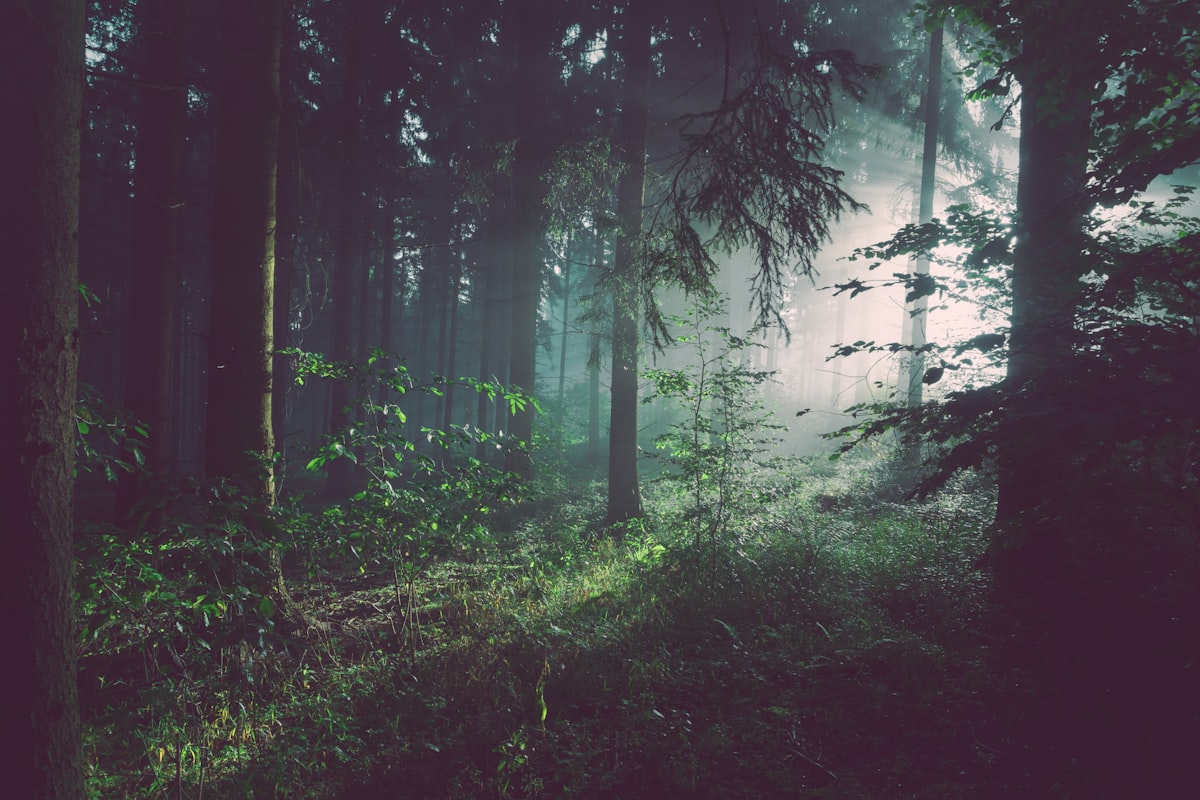
Under the international classification established by the International Union for Conservation of Nature (IUCN), Category Ia "Strict Nature Reserves" represent the highest level of legal conservation protection on Earth. Established strictly for biodiversity conservation, scientific research, and environmental monitoring, these sanctuaries are the core sanctuaries of global conservation.
Comparing Multi-Use Parks and Strict Wilderness
While national parks (Category II) welcome millions of ecotourists annually and multi-use reserves (Category VI) balance sustainable harvesting, Category Ia sanctuaries like Mongolia's Numrug and Great Gobi Strictly Protected Areas are managed to prevent human-induced disturbance entirely.
Recent satellite radar and biodiversity mapping across 120 global strict reserves reveal distinct environmental advantages:
- Structural Integrity: Canopy density, forest floor moss carpets, and riverbank soils remain uncompacted, preserving natural microclimates.
- Predator-Prey Equilibrium: Apex predators—such as brown bears, wolves, and lynx—exhibit natural hunting ranges and diurnal behaviors without human avoidance pressures.
- Genetic Reservoirs: Populations of native plants and insects retain high genetic diversity, shielding them from domestic cross-pollination and invasive weeds.
The report emphasizes that meeting the global 30x30 biodiversity targets requires not just designating acreage, but ensuring that at least 10% of protected hectares remain strictly protected core zones free from commercial footfall.